In today’s fast-paced digital and industrial environment, uninterrupted power is no longer a luxury—it is a necessity. From data centers and hospitals to commercial buildings and residential complexes, even a few seconds of power disruption can lead to financial loss, data corruption, safety risks, or operational downtime. This is where Uninterruptible Power Supply (UPS) systems play a critical role.
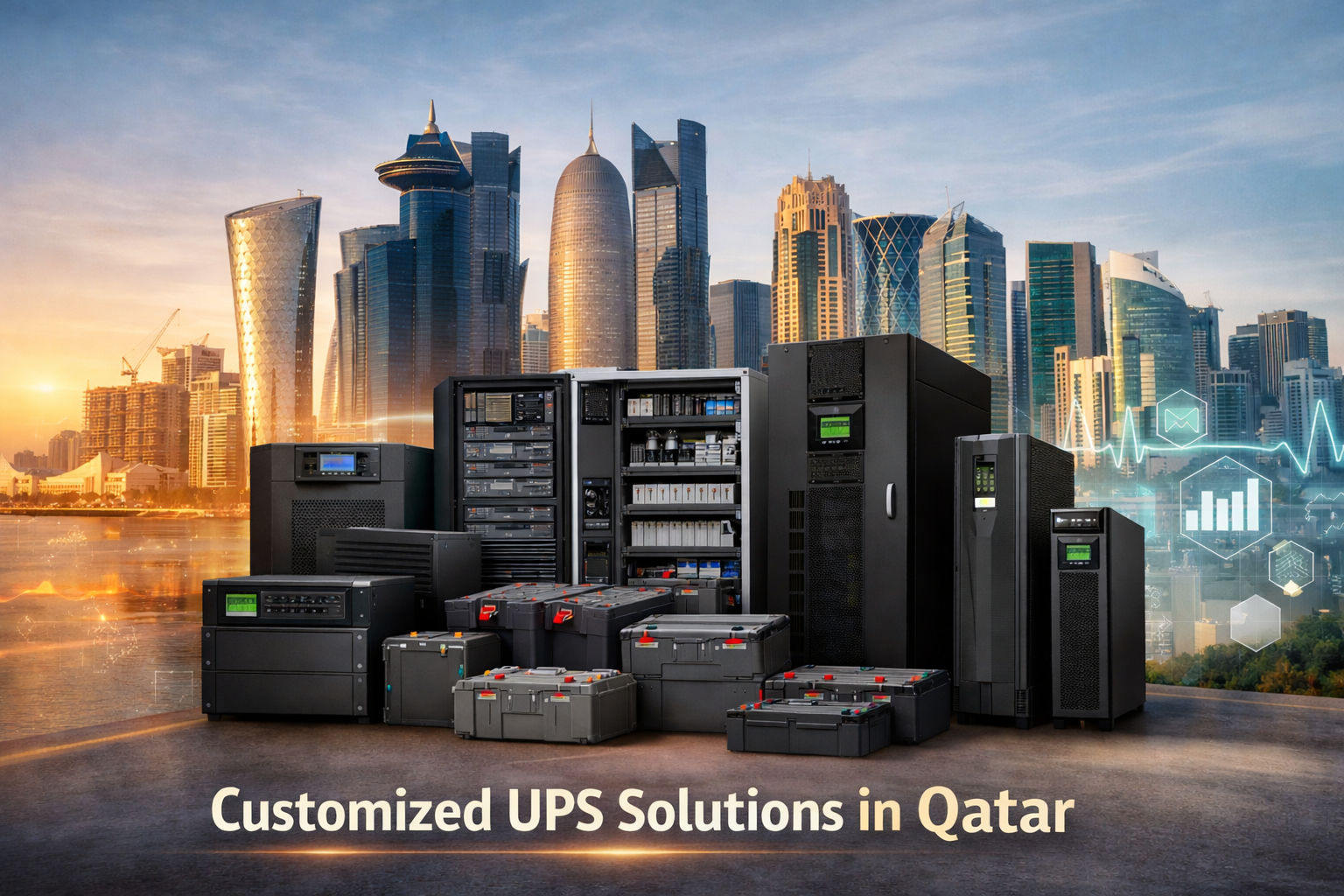
But not all power requirements are the same. Businesses in Qatar operate across diverse sectors, each with unique electrical demands, environmental challenges, and backup expectations. This raises an important question: Can you get customized UPS solutions from a UPS distributor in Qatar?
The short answer is yes—and in many cases, customization is not just available but essential.
This article explores how a professional UPS distributor in Qatar delivers tailored power backup solutions, why customization matters, and how UPS Batteries in Qatar form the backbone of reliable and scalable systems.
Understanding the Power Landscape in Qatar
Qatar’s infrastructure is among the most advanced in the region, supporting industries such as oil and gas, healthcare, construction, telecommunications, aviation, finance, and smart city development. While the national power grid is robust, the country’s rapid growth and mission-critical operations demand additional layers of power protection.
Several factors make customized UPS solutions especially important in Qatar:
- High ambient temperatures affecting equipment performance.
- Mission-critical operations requiring zero downtime.
- Rapid expansion of data centers and IT infrastructure.
- Diverse load profiles across industries.
- Strict safety and compliance standards.
A standard, off-the-shelf UPS may not address these conditions effectively. That’s why working with an experienced UPS distributor in Qatar is crucial.
What Does “Customized UPS Solutions” Really Mean?
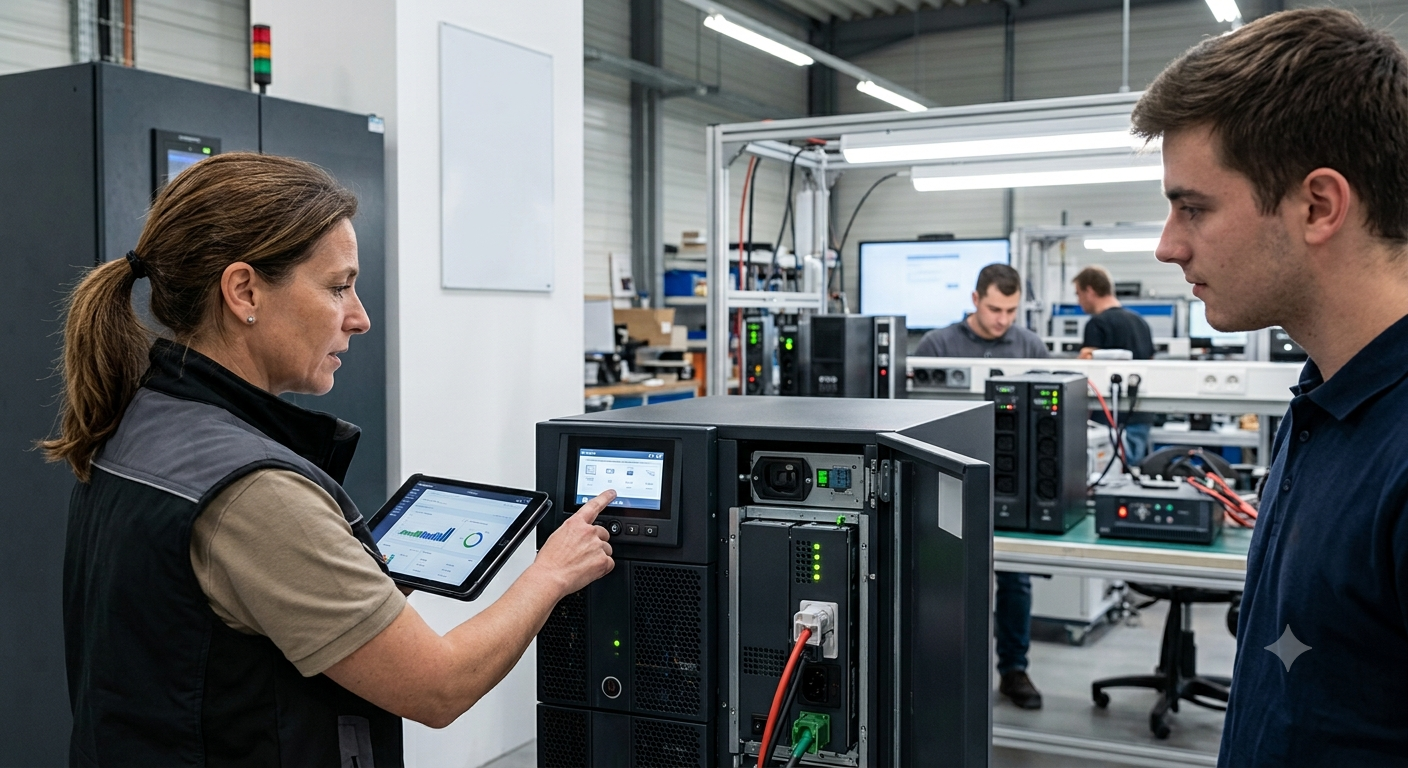
Customization goes far beyond choosing a UPS with higher capacity. A truly customized UPS solution is designed after a thorough assessment of your power environment, operational needs, and future growth plans.
A professional UPS distributor in Qatar typically customizes solutions in the following areas:
1. Load Capacity and Runtime Requirements
Every facility has a different power load. A hospital ICU, for example, needs longer backup runtime compared to a small office server room. Custom solutions ensure:
- Accurate load calculation.
- Right-sized UPS capacity.
- Optimal backup duration.
This prevents overspending on oversized systems or risking failure with undersized units.
2. Application-Specific UPS Design
Different industries require different UPS architectures:
- Data centers need modular, scalable UPS systems.
- Industrial facilities require rugged UPS designs.
- Healthcare environments need medical-grade reliability.
- Commercial buildings prioritize efficiency and space optimization.
A specialized UPS distributor in Qatar understands these differences and designs systems accordingly.
3. Environmental Adaptation
Qatar’s climate can be harsh on electrical equipment. High temperatures and dust exposure significantly impact UPS performance and battery life.
Customized UPS solutions may include:
- Enhanced cooling systems.
- High-temperature-tolerant UPS Batteries in Qatar.
- Enclosures designed for dusty or industrial environments.
These adaptations ensure long-term reliability.
The Role of UPS Batteries in Customized Solutions
No UPS system is complete without the right battery configuration. In fact, UPS Batteries in Qatar are often the most critical and sensitive component of a power backup system.
Why Battery Customization Matters
Battery selection affects:
- Backup runtime.
- System reliability.
- Maintenance frequency.
- Total cost of ownership.
Different applications demand different battery technologies.
Types of UPS Batteries Commonly Used in Qatar
A reliable UPS distributor in Qatar offers multiple battery options based on your needs:
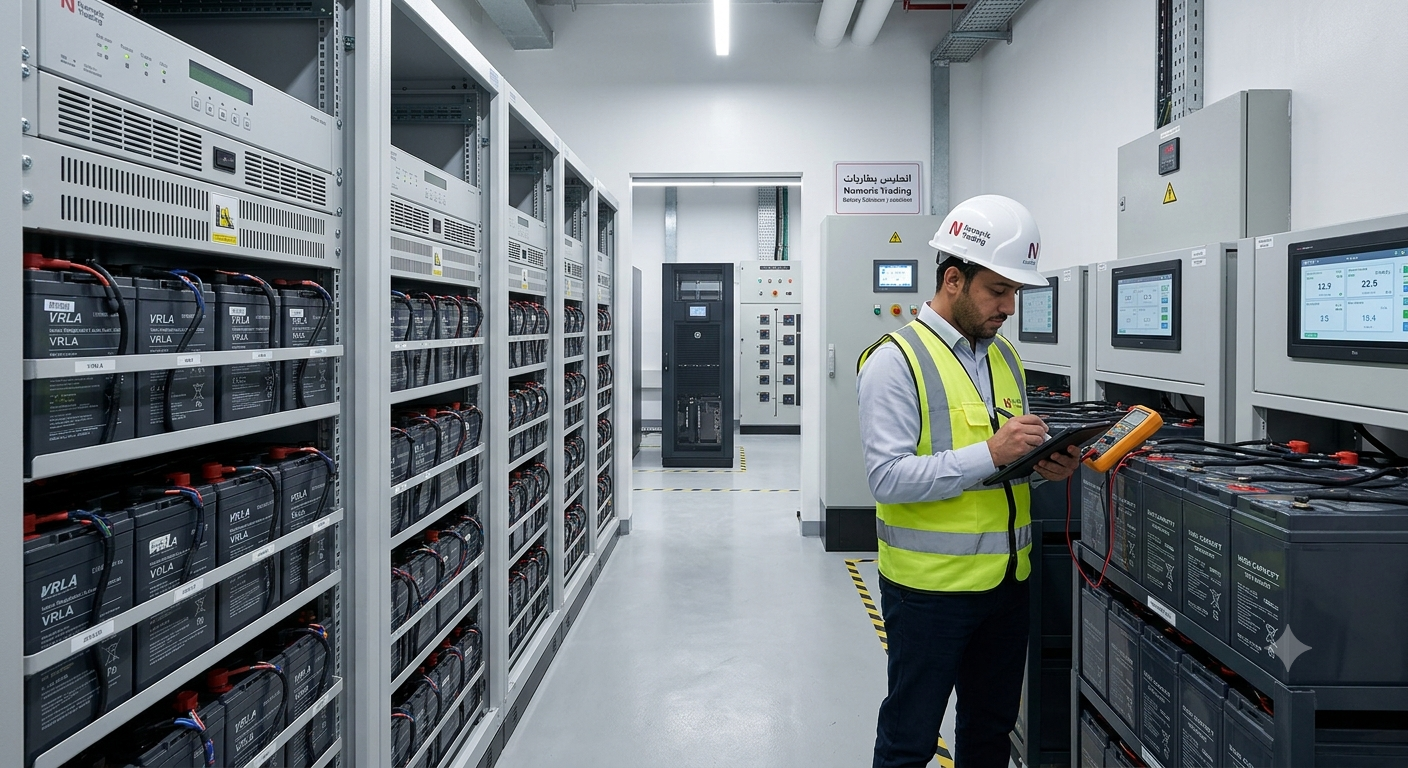
1. VRLA (Valve Regulated Lead Acid) Batteries
- Cost-effective.
- Widely used in commercial UPS systems.
- Require controlled temperature environments.
2. Lithium-Ion Batteries
- Longer lifespan.
- Higher energy density.
- Ideal for space-constrained installations.
- Growing popularity in modern data centers
3. Tubular or Industrial Batteries
- Used in heavy-duty and industrial applications.
- Longer discharge cycles.
- Suitable for harsh conditions.
The right distributor helps you choose the most suitable UPS Batteries in Qatar based on performance, budget, and operational expectations.
Industries That Benefit Most from Customized UPS Solutions in Qatar
1. Data Centers and IT Infrastructure
Downtime in data centers can cost thousands per minute. Customized UPS systems provide:
- Modular scalability.
- Redundant power paths.
- Intelligent battery management.
A trusted UPS distributor in Qatar ensures seamless integration with existing IT infrastructure.
2. Healthcare and Medical Facilities
Hospitals and clinics rely on uninterrupted power for life-saving equipment. Custom UPS solutions ensure:
- Instant power transfer.
- Long backup runtime.
- Compliance with healthcare regulations.
Battery reliability is especially critical, making high-quality UPS Batteries in Qatar essential.
3. Oil, Gas, and Industrial Operations
Industrial sites require UPS systems that can handle:
- High load fluctuations.
- Harsh operating conditions.
- Continuous operations.
Customized UPS designs enhance safety and operational continuity.
4. Commercial and Residential Projects
Modern buildings integrate smart systems, elevators, security networks, and communication systems. Custom UPS solutions ensure:
- Smooth operation during outages.
- Energy efficiency.
- Compact installation.
How a UPS Distributor in Qatar Delivers Custom Solutions
A professional distributor follows a structured approach:
Step 1: Power Audit and Site Assessment
Detailed analysis of:
- Load requirements.
- Existing electrical infrastructure.
- Environmental conditions.
Step 2: Solution Design
Customized configuration including:
- UPS type and capacity.
- Battery technology.
- Redundancy level.
Step 3: Installation and Integration
Professional installation ensures:
- Compliance with safety standards.
- Proper system integration.
Step 4: Maintenance and Support
Ongoing services include:
- Battery health monitoring.
- Preventive maintenance.
- Replacement of UPS Batteries in Qatar.
Advantages of Choosing a Local UPS Distributor in Qatar
Working with a local distributor offers significant benefits:
- Faster response times.
- On-site technical support.
- Knowledge of local regulations.
- Easy access to replacement parts and batteries.
A local UPS distributor in Qatar understands the operational challenges specific to the region better than overseas suppliers.
Scalability: Preparing for Future Growth
One of the biggest advantages of customized UPS systems is scalability. Businesses in Qatar are growing rapidly, and power needs can change quickly.
Customized solutions allow:
- Easy capacity expansion.
- Battery upgrades.
- Integration with renewable energy systems.
This future-proof approach reduces long-term costs.
Energy Efficiency and Sustainability
With rising energy awareness, many organizations in Qatar seek energy-efficient solutions. Modern UPS systems offer:
- High efficiency ratings.
- Reduced energy losses.
- Smart battery management.
Advanced UPS Batteries in Qatar, especially lithium-ion options, contribute to sustainability goals.
Common Myths About Customized UPS Solutions
Myth 1: Custom UPS Solutions Are Too Expensive
In reality, customization often reduces total cost by eliminating unnecessary capacity and minimizing downtime.
Myth 2: Standard UPS Systems Are Enough
Generic systems rarely meet specialized needs, especially in critical environments.
Myth 3: Battery Choice Doesn’t Matter
Battery quality directly impacts system reliability and lifespan. Choosing the right UPS Batteries in Qatar is essential.
How to Choose the Right UPS Distributor in Qatar
When selecting a distributor, consider:
- Industry experience.
- Range of UPS and battery solutions.
- Customization capabilities.
- After-sales support
- Availability of genuine UPS Batteries in Qatar
A knowledgeable distributor becomes a long-term power partner, not just a supplier.
Final Thoughts
So, can you get customized UPS solutions from a UPS distributor in Qatar? Absolutely—and in today’s demanding operational landscape, customization is often the smartest choice.
A professional UPS distributor in Qatar provides more than just equipment. They deliver tailored power protection strategies designed around your unique needs, environment, and future goals. With the right system design and high-quality UPS Batteries in Qatar, businesses can ensure uninterrupted operations, protect critical assets, and achieve long-term reliability.
Investing in a customized UPS solution is not just about backup power—it’s about confidence, continuity, and control in an increasingly power-dependent world.
Frequently Asked Questions (FAQs)
1. Can a UPS distributor in Qatar provide fully customized power backup solutions?
Yes, a professional UPS distributor in Qatar can design fully customized UPS solutions based on your exact power requirements. This includes load analysis, backup runtime, environmental conditions, and future expansion needs. Customized solutions ensure optimal performance, reliability, and cost efficiency compared to standard off-the-shelf UPS systems.
2. What industries benefit the most from customized UPS solutions in Qatar?
Customized UPS solutions are especially valuable for industries where power continuity is critical. These include data centers, hospitals, oil and gas facilities, telecommunications, commercial buildings, and industrial plants. A reliable UPS distributor in Qatar understands industry-specific challenges and delivers tailored systems accordingly.
3. How do UPS batteries impact the performance of a UPS system?
UPS batteries play a vital role in determining backup runtime and system reliability. The quality and type of UPS Batteries in Qatar directly affect how long your equipment can operate during a power outage. Choosing the right battery technology also influences maintenance costs and overall system lifespan.
4. What types of UPS batteries are commonly available in Qatar?
Most UPS distributors in Qatar offer a range of battery options, including VRLA batteries, lithium-ion batteries, and industrial tubular batteries. Each type is suitable for different applications, environments, and budget considerations. The right distributor will recommend the best UPS Batteries in Qatar based on your operational needs.
5. Are customized UPS solutions more expensive than standard UPS systems?
Not necessarily. While the initial cost of a customized UPS solution may be higher, it often results in long-term savings. Proper system sizing reduces energy waste, minimizes downtime, and extends battery life. A knowledgeable UPS distributor in Qatar helps optimize costs while ensuring reliable performance.
6. Can UPS systems in Qatar handle high temperatures and harsh environments?
Yes. Customized UPS solutions are specifically designed to operate efficiently in Qatar’s hot climate. This includes enhanced cooling systems and temperature-resistant UPS Batteries in Qatar, ensuring consistent performance even in demanding conditions.
7. How often do UPS batteries need replacement in Qatar?
The replacement cycle depends on battery type, usage, and environmental conditions. On average, standard VRLA UPS Batteries in Qatar last between 3 to 5 years, while lithium-ion batteries can last significantly longer. Regular maintenance and monitoring by a UPS distributor help extend battery life.
8. Do UPS distributors in Qatar offer maintenance and after-sales support?
Most reputable UPS distributors in Qatar provide comprehensive after-sales services, including preventive maintenance, battery testing, replacement services, and emergency support. This ensures your UPS system remains reliable throughout its operational life.
9. Can a UPS system be upgraded in the future?
Yes, many modern UPS systems are designed to be scalable. A qualified UPS distributor in Qatar can design your system with future expansion in mind, allowing for capacity upgrades or additional UPS Batteries in Qatar as your power needs grow.
10. How do I choose the right UPS distributor in Qatar?
When selecting a UPS distributor in Qatar, consider their experience, technical expertise, range of UPS and battery options, customization capabilities, and quality of after-sales support. A reliable distributor acts as a long-term power partner rather than just a supplier.